
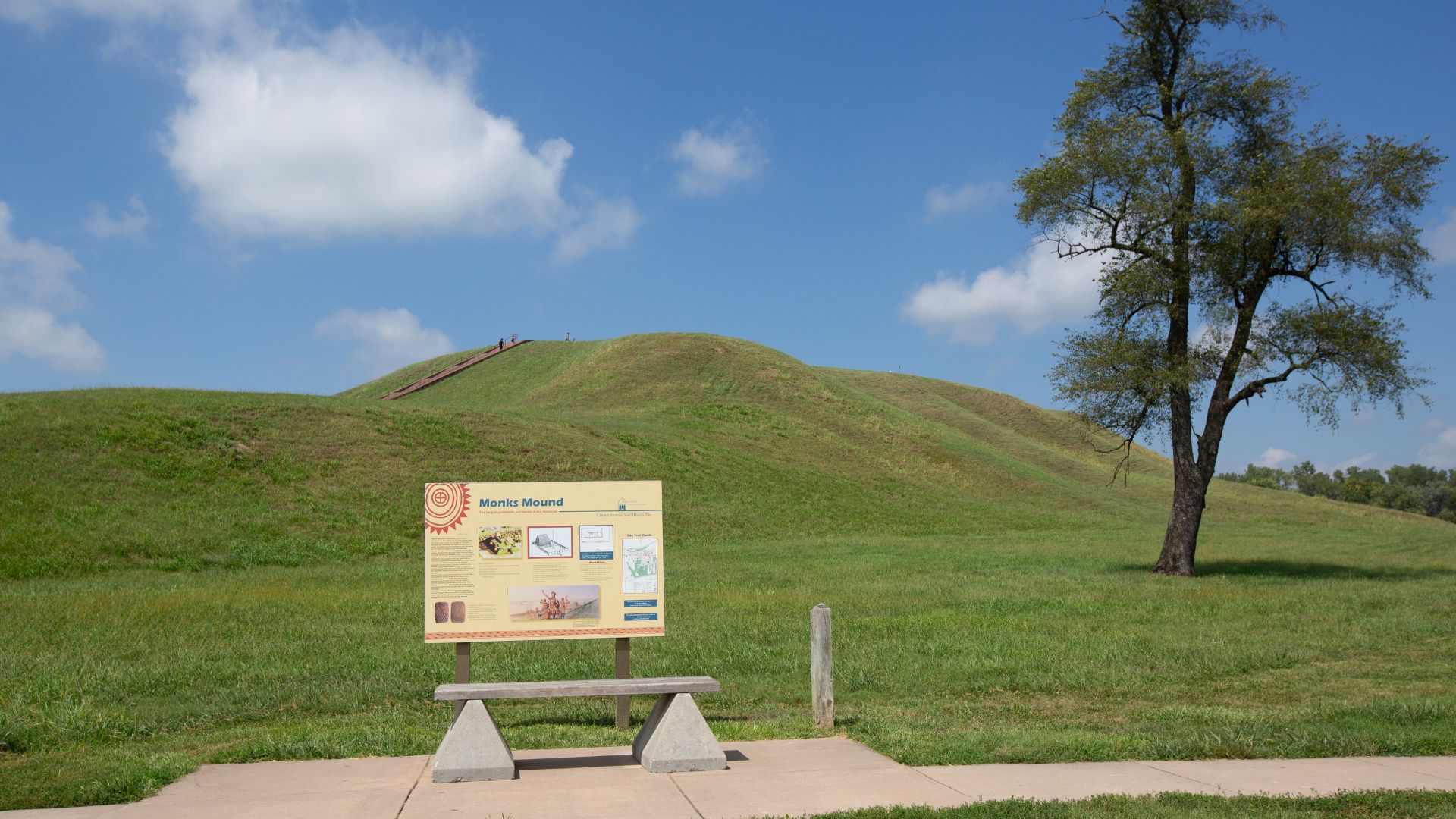
Cahokia Mounds State Historic Site
Site of the largest prehistoric Indian city north of Mexico. Interpretive center, Woodhenge solar calendar, special events. From I-55, exit 6 on IL Rte. 111. From I-255, exit 24.
Site of the largest prehistoric Indian city north of Mexico. Interpretive center, Woodhenge solar calendar, special events. From I-55, exit 6 on IL Rte. 111. From I-255, exit 24.
Businesses
More Businesses
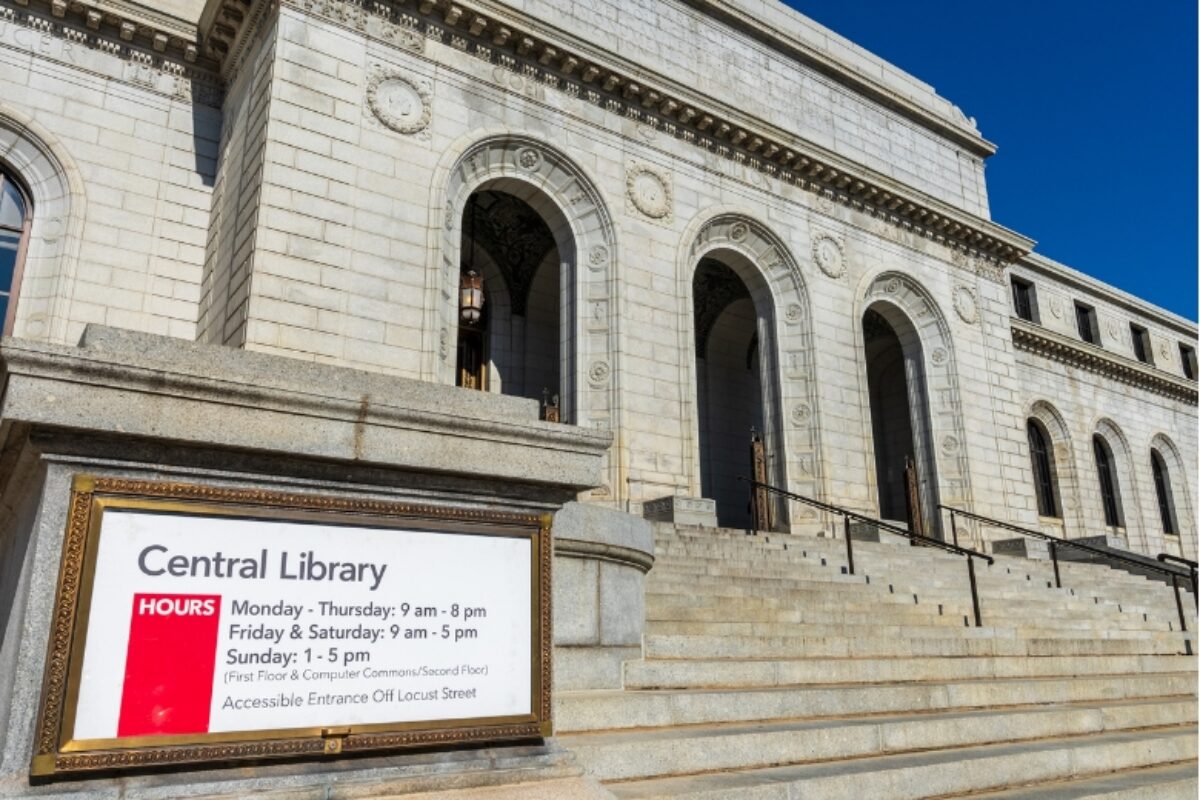
Central Library St Louis: Visit the St Louis Public Library
Built in 1912, the St. Louis Public Library's flagship, Central Library, is a monument to the past and a cultural beacon for the future. Spanning an entire city block just west of the Convention Center, Central Library is one of St. Louis' grandest works of art.
Read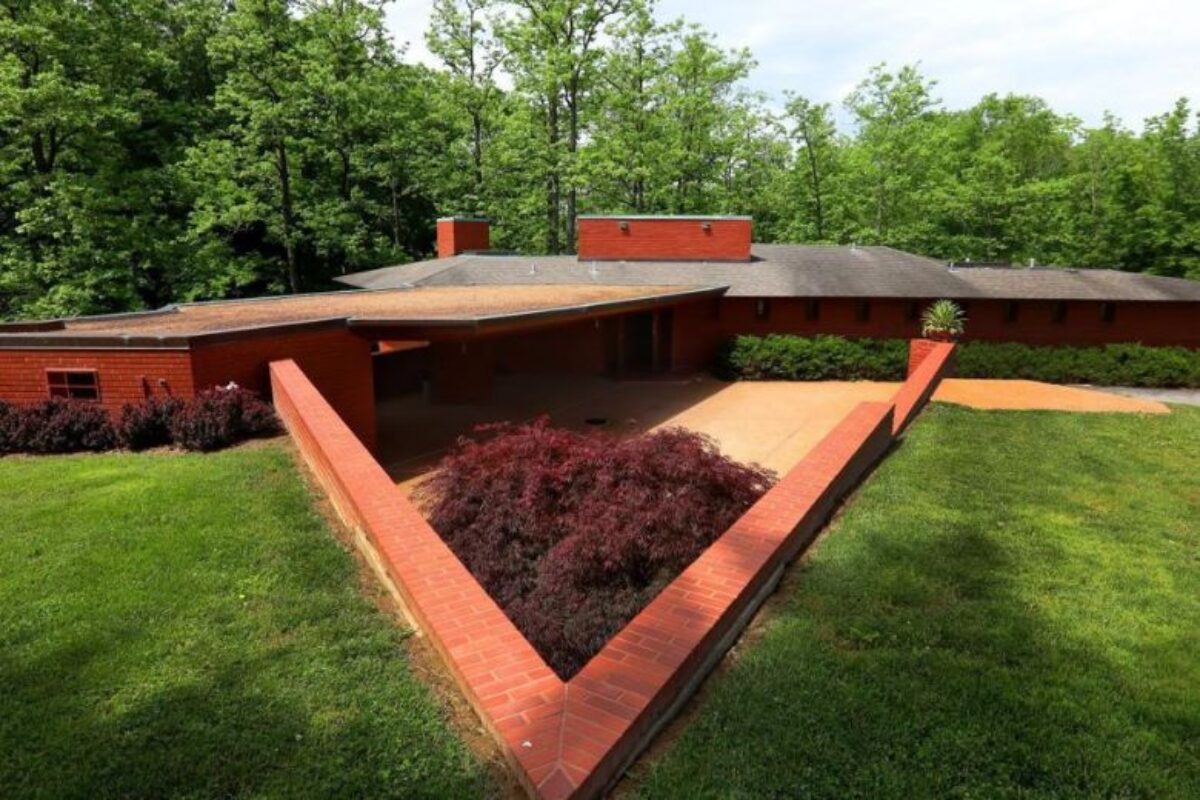
Tour the Frank Lloyd Wright St Louis House in Ebsworth Park
Frank Lloyd Wright is widely recognized as the greatest American architect of the 20th century, and at the Frank Lloyd Wright House in Ebsworth Park, you can experience one of his unique designs firsthand. Nestled on more than 10 acres of grassy fields in Kirkwood, the 1,900-square-foot residence was built for Russell and Ruth Kraus in the 1950s, and today, it remains an excellent example of Wright’s democratic vision, meant to provide middle-class Americans with beautiful architecture at an affordable cost. Tours of the home are available year-round, and advance booking is required.
Read
4theVille
THE VILLE is a historic African-American neighborhood located in St. Louis, Missouri with a rich history of African-American education, business, entertainment and culture. The neighborhood is bounded by St. Louis Avenue on the North, Martin Luther King drive on the South, Sarah on the East and Taylor on the West. Prior to the United States Civil Rights movement, the use of restrictive covenants and other legal restrictions prevented African-Americans from finding housing in many areas of the city. As a result, the African American population of St. Louis became heavily concentrated in and around the Ville. Between 1920 and 1930, The Ville went from being 8% to 86% African American. The neighborhood quickly became the cradle of African-American culture and home to many black professionals, businessmen and entertainers. Through the subsequent 50 years, the Ville nurtured a rich heritage for the black population of the City of St. Louis and was home to a number of important black institutions, including Simmons Elementary, Sumner High School, the first high school for black students west of the Mississippi River, Poro College, Lincoln University Law School, Stowe Teachers College, Tandy Recreation Center, Annie Malone Children’s Home and Homer G. Phillips Hospital, which, at the time, was responsible for training more black doctors than any other hospital in the world. The Ville is a testament of the resilience of African Americans in the United States and St. Louis.
Read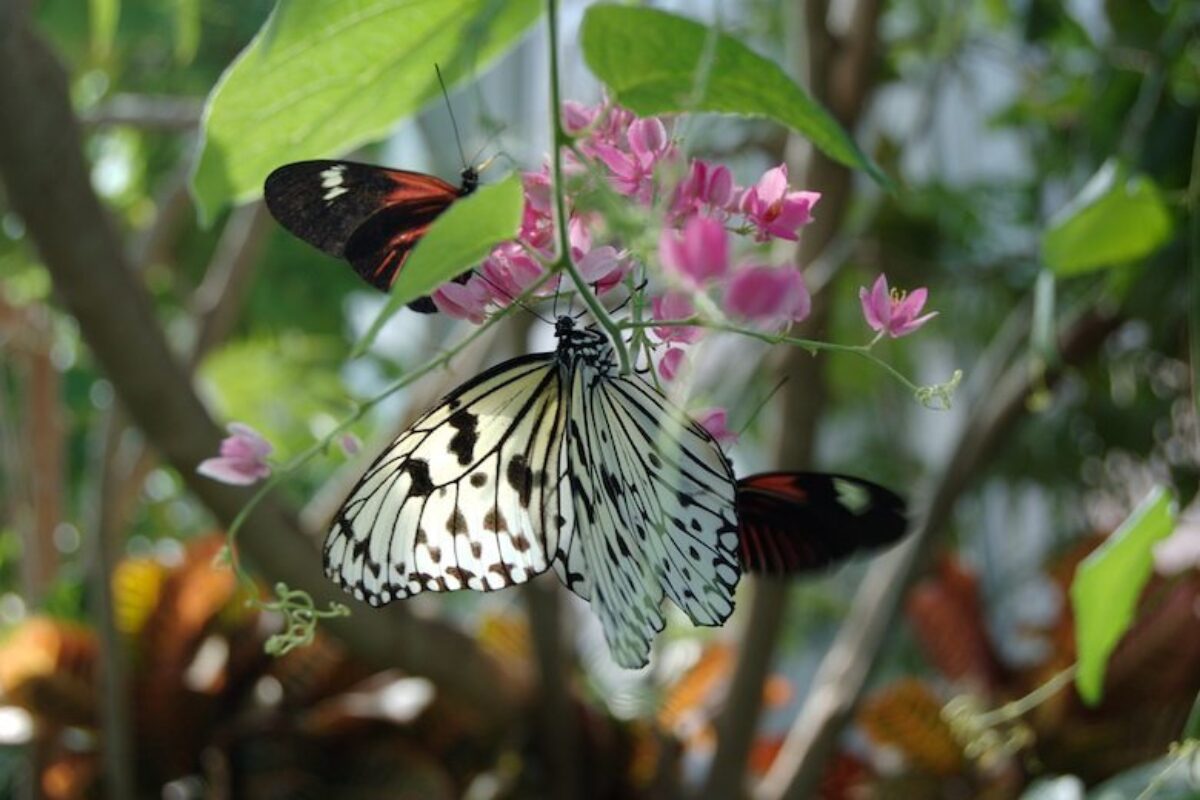
Get Up Close and Personal with Tropical Plants and Insects at the Butterfly House in St. Louis
A cultural and educational attraction. Visitors will see more than 1,000 butterflies in free flight and actually witness the mystery of metamorphosis.
Read
Garden Gate Shop Missouri Botanical Garden
Featuring fine home furnishings, plants, books, jewelry and garden accessories. Lovely items for home and hearth, patio and picnic. All proceeds benefit the Missouri Botanical Garden.
Read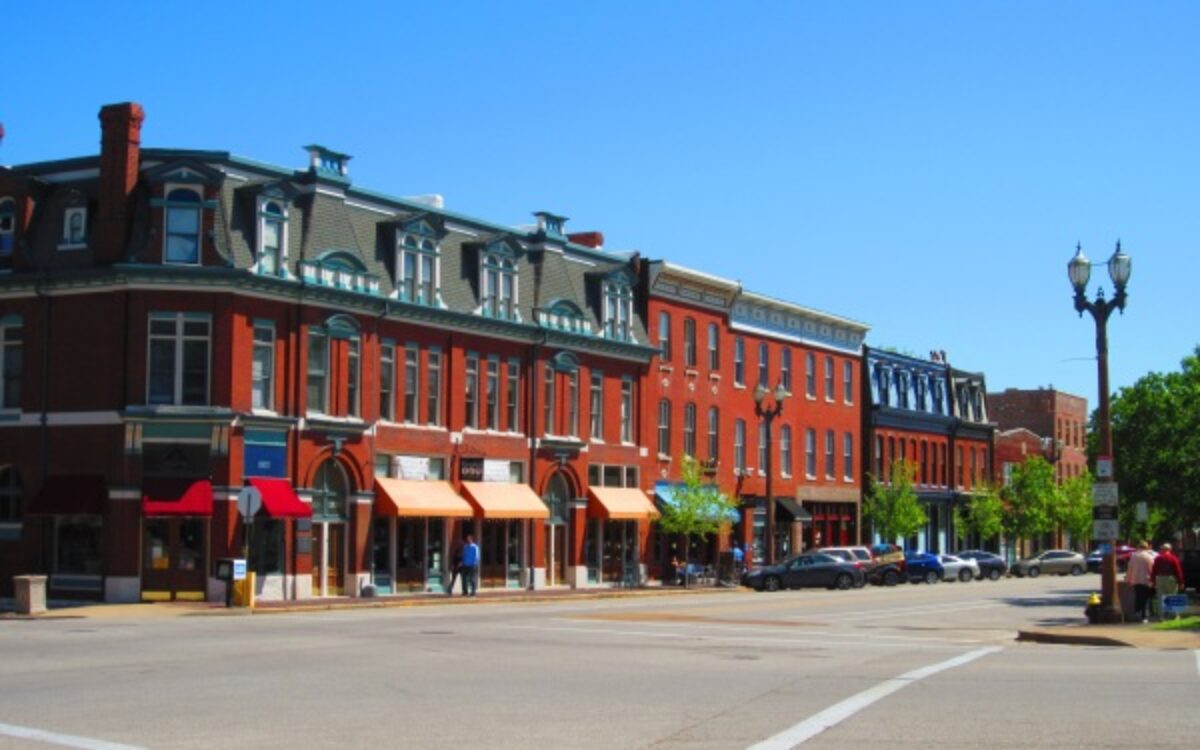
Historic Lafayette Square
A National Historic District located one mile from downtown St. Louis. Nearly 400 Victorian homes surround Lafayette Park—the first city park west of the Mississippi River. Better Homes & Gardens named Lafayette Square "one of the ten most beautiful painted ladies neighborhoods in the nation.” The neighborhood's vibrant, walkable business district features award-winning restaurants, salons and spas, outdoor dining, coffee shops, gift shops, and much more. Walking tours are available.
Read